
Dental Checkups in Houston, TX

New Patient Special
The Most Effective Thing You Can Do for Your Smile

Small Problems Stay Small
A cavity in its early stages is a quick fix. Left alone, that same cavity reaches the nerve and becomes a root canal. Gum disease caught early is manageable with a deep cleaning. Advanced gum disease can mean bone loss and tooth loss. The difference between a minor issue and a major one is almost always timing, and a checkup every six months keeps you on the right side of that gap.
You Leave With Real Answers
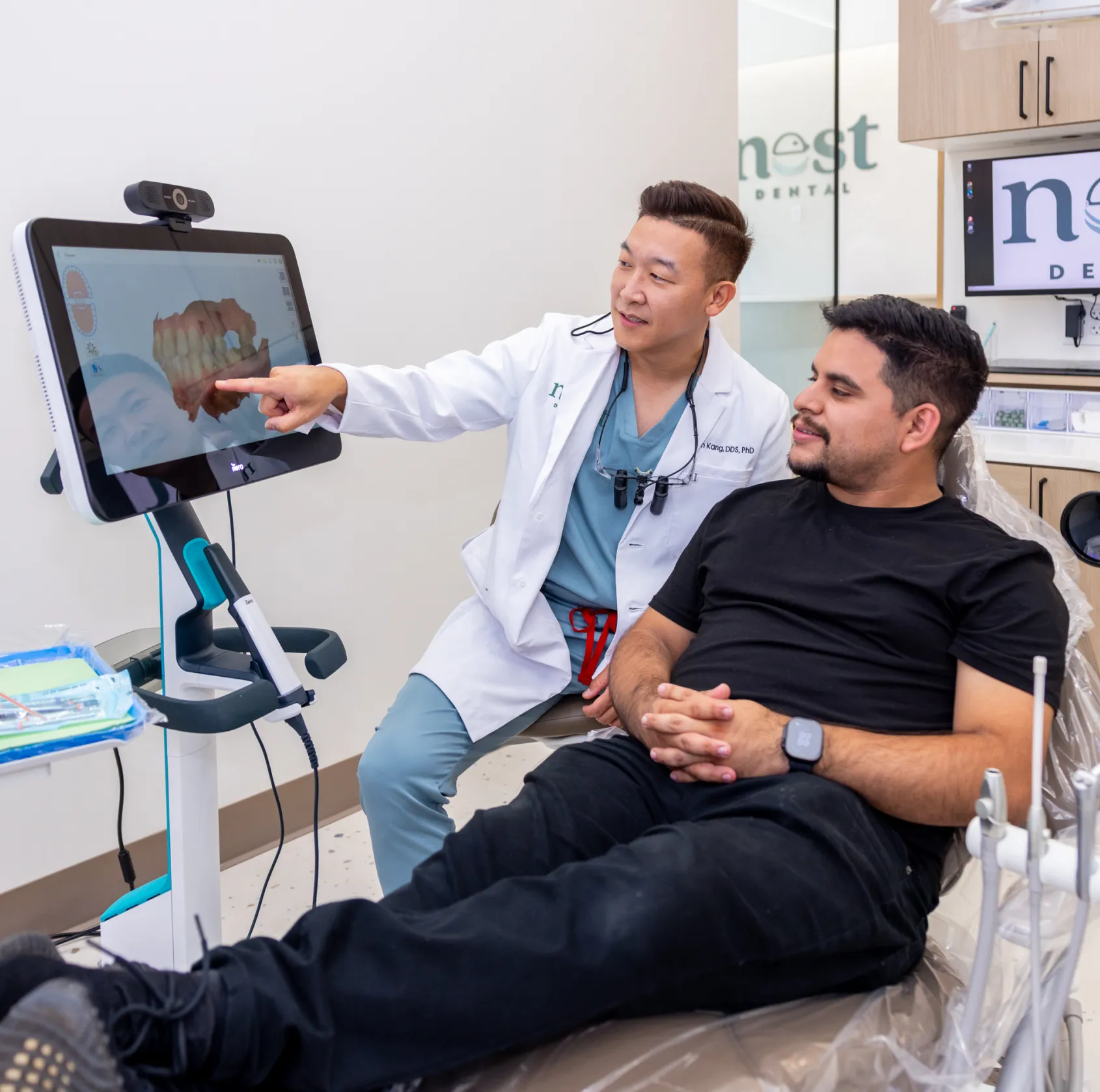
Every checkup ends with a direct conversation about what we found. We use the intraoral camera to show you what we see on a chairside screen so you can see it yourself, then explain what it means and what, if anything, needs to happen next. If nothing needs attention, we tell you that too. No vague recommendations, no pressure, no leaving the office with more questions than you came in with.

Your Mouth Reflects Your Overall Health
The connection between oral health and systemic health is well established. Gum disease has been linked to heart disease, diabetes, and pregnancy complications. Chronic inflammation in the gums does not stay contained to the mouth. Certain medications dry out saliva, which accelerates decay. Acid reflux erodes enamel in ways that look different from cavity damage. A thorough checkup accounts for your full health picture, not just your teeth in isolation.
We've got your
coverage covered
What Teeth Grinding Is Costing You
Most patients who grind or clench their teeth do it at night and have no idea it is happening. There are no obvious symptoms at first, but the damage builds steadily over time:
- Enamel wears down, leaving teeth more sensitive to hot, cold, and sweet foods
- Biting surfaces flatten, changing the way your teeth fit together
- Jaw muscles stay chronically tense, leading to headaches and joint pain
- Cracking and chipping become more likely as the enamel thins
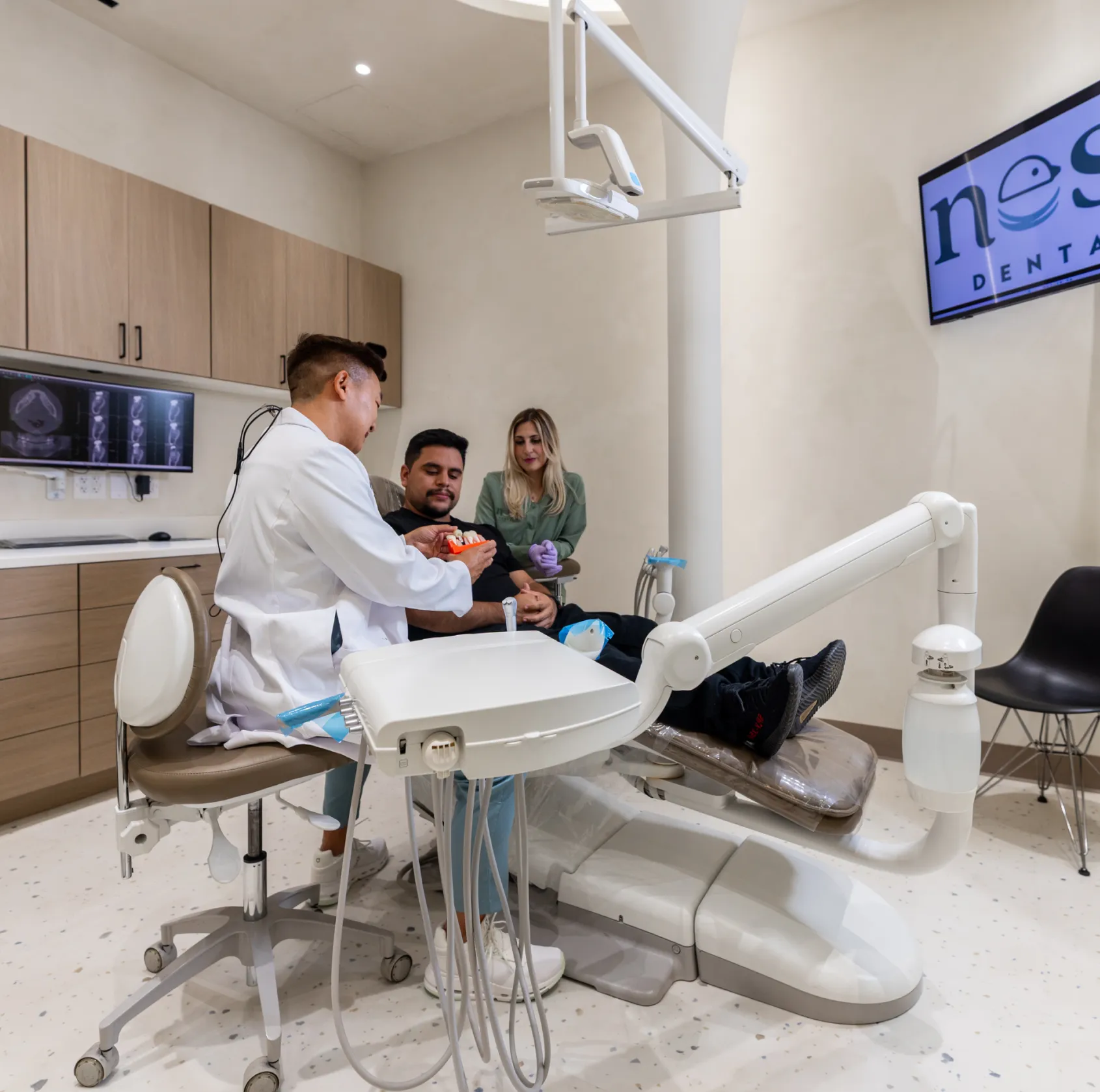
During your exam, Dr. Jeong and Dr. Kang look specifically for these signs. If grinding is present, a custom night guard is a simple, non-invasive way to stop the damage before it requires restorative treatment to correct.
How Often You Should Come In
The right schedule depends on your age, your oral health history, and what we find at each visit. Here is a general guide by life stage:
Infants and Toddlers (0 to 3)
- First visit when the first tooth appears, or by age one
- Every six months after that to monitor development and establish early habits
Children (4 to 12)
- Every six months for cleanings, exams, and preventive treatments like fluoride and sealants
- More frequent visits if your child is cavity-prone or has orthodontic concerns developing
Teenagers (13 to 17)
- Every six months, with close attention to wisdom tooth development and bite changes
- More frequent visits if braces or aligners are part of their treatment
Adults (18 to 64)
- Every six months for most patients
- Every three to four months for patients managing active gum disease, a history of frequent cavities, or conditions like diabetes that affect oral health
Older Adults (65 and up)
- Every six months at minimum, often more frequently depending on medications, dry mouth, bone density changes, and the condition of existing restorations
- Regular monitoring for oral cancer, gum recession, and root decay, which become more common with age
If you are unsure how often you personally should be coming in, we will give you a clear recommendation at your first visit based on what we find.

Meet Dr. Jenny Jeong & Dr. Justin Kang
A Family Team
of Experts
What to Expect During Your Dental Checkup
Arrival and Comfort Setup
Let the front desk team know your preferences when you check in. Blankets, headphones, a drink from the beverage bar, whatever makes you comfortable is ready for you before you head back.
Digital X-Rays
We take targeted digital X-rays to see what is developing between and beneath your teeth where a visual exam cannot reach. Digital X-rays use a fraction of the radiation of traditional film and produce instant images we review with you on screen.
Comprehensive Exam
Dr. Jeong or Dr. Kang examines your teeth, gums, bite, jaw joints, and soft tissues. We check for decay, signs of gum disease, cracking, wear patterns, bite issues, and anything else that warrants a closer look.
Oral Cancer Screening
We examine your lips, tongue, cheeks, throat, and soft tissues for any changes in color, texture, or shape. It takes a few minutes and is included at every visit as a standard part of your exam.
Professional Cleaning
Your hygienist removes plaque and tartar from the surfaces and between the teeth, areas that brushing and flossing cannot fully address. Your teeth are then polished to remove surface staining.
Results and Next Steps
Your doctor walks you through everything found during the exam. If treatment is recommended, we explain what it is, why it matters, what your options are, and what happens if it goes unaddressed. You decide what comes next with full information to guide you.
Checkout
The front desk team schedules your next visit and reviews any follow-up care before you leave. If you have questions about coverage or payment, they can walk you through your options on the spot.
What sets nest dental apart

You’re Safe Here

Local Team, Local Care

Higher Standards

A Better Experience
Frequently Asked Questions
What if I am anxious about coming in?
Let us know when you book. Dr. Jeong holds a background in psychology and works to understand what specifically makes dental visits difficult before anything clinical begins. Laughing gas is available on request for patients who want extra help staying calm.
Does my insurance cover checkups?
Most PPO plans cover preventive care including exams and cleanings, often with no out-of-pocket cost. Nest Dental is in-network with Aetna, Blue Cross Blue Shield, Cigna, Delta Dental, and United Healthcare. Our front desk team can help you understand your benefits before your visit.
What if the exam reveals something serious?
We tell you directly, explain what it means, and give you your options. If it is something we handle in-house, we will walk you through the treatment and get it scheduled. If it requires a specialist, we will refer you to the right provider and make sure you understand why.
Can a routine cleaning whiten my teeth?
A professional cleaning removes surface staining from coffee, tea, and wine that regular brushing leaves behind. It will not change the underlying shade of your enamel. For deeper discoloration, professional whitening is a more effective option. We can discuss what is realistic for your specific situation.
Are X-rays necessary at every visit?
Not at every visit. How often you need X-rays depends on your dental history, your risk factors, and what we find during the exam. We take a targeted approach and only recommend X-rays when they add useful information.
What if I have not been to the dentist in years?
Come in. We assess where things stand, address any active concerns in order of priority, and build a realistic plan forward. A long gap between visits is not unusual, and it is never a reason to put it off longer.
How long does a checkup take?
A standard new patient exam typically runs 60 to 90 minutes to allow enough time for X-rays, a full exam, cleaning, and a thorough review of your results. Returning patient visits are usually shorter. We block the time to get through everything without rushing.
Do cleanings hurt?
For most patients, a routine cleaning involves little to no discomfort. If your gums are inflamed from significant buildup or if it has been a long time since your last visit, you may notice some tenderness. That typically resolves within a day or two. If you have sensitivity, let us know before we start.
What is the difference between a cleaning and a checkup?
A cleaning removes plaque, tartar, and surface staining from your teeth. A checkup is the full examination, including X-rays, an oral cancer screening, an assessment of your gums and bite, and a review of your results. Both happen at the same appointment.
How often do I need a dental checkup?
Every six months for most patients. If you have a history of gum disease, a higher cavity risk, or health conditions like diabetes that affect oral health, we may recommend more frequent visits. We will tell you what schedule makes sense based on what we find.
Located next to Starbucks and across the street from Kroger.
Visit nest dental in Houston’s Energy Corridor
We’re located near the heart of the Energy Corridor, next to Starbucks and across the street from Kroger, with free parking and Saturday appointments available. New patients and families welcome.