
Invisalign in Houston, TX

Straighter Teeth Without Changing Your Life to Get There

Nobody Knows You’re Wearing Them
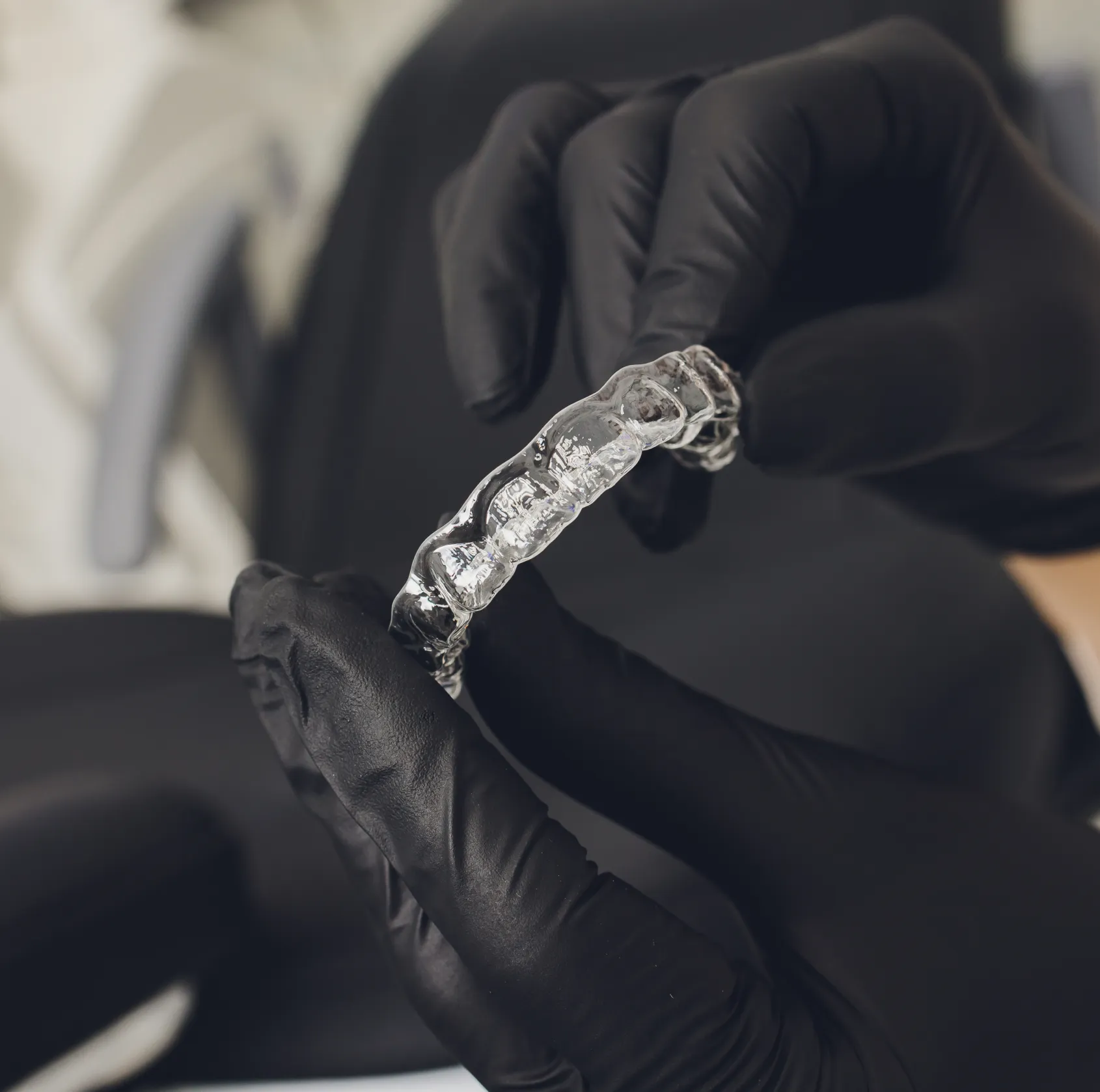
The aligners are made from a smooth, clear plastic that fits closely over your teeth. In most social and professional settings, they are not visible. You can smile, speak, and go through your day without drawing attention to the fact that you are in orthodontic treatment.
For adults who ruled out straightening their teeth because they did not want to look like they were wearing braces, this is what changes that equation.
You Can Eat Whatever You Want
Traditional braces come with a list of foods to avoid for the entire duration of treatment. Invisalign does not. Because the aligners are removable, you take them out to eat and drink, then brush your teeth and put them back in.
No restrictions, no food caught in brackets, no changes to your diet. The aligners stay out for meals and go back in when you are done.

Oral Hygiene Stays Simple
Brushing and flossing with fixed braces requires special tools and significantly more time. With Invisalign, you remove the aligners, clean your teeth the way you normally would, and put them back in. Your hygiene routine does not change.
That matters because orthodontic treatment takes months, and maintaining gum health throughout that process is easier when nothing is physically attached to your teeth.
We've got your
coverage covered
Who Invisalign Works For
Invisalign is effective for a wide range of alignment issues in both teens and adults:
- Crowded teeth where there is not enough room for teeth to sit properly
- Gapped teeth with spaces between one or more teeth
- Overbite, where the upper front teeth close too far over the lower teeth
- Underbite, where the lower teeth sit in front of the upper teeth when the mouth is closed
- Crossbite, where upper and lower teeth do not align correctly side to side
- Open bite, where the upper and lower teeth do not make contact when the mouth is closed
Not every case is a candidate for Invisalign. Dr. Jeong will give you an honest assessment of whether aligners can achieve the result you are looking for or whether a different approach would serve you better.

How the iTero Scanner Changes the First Step
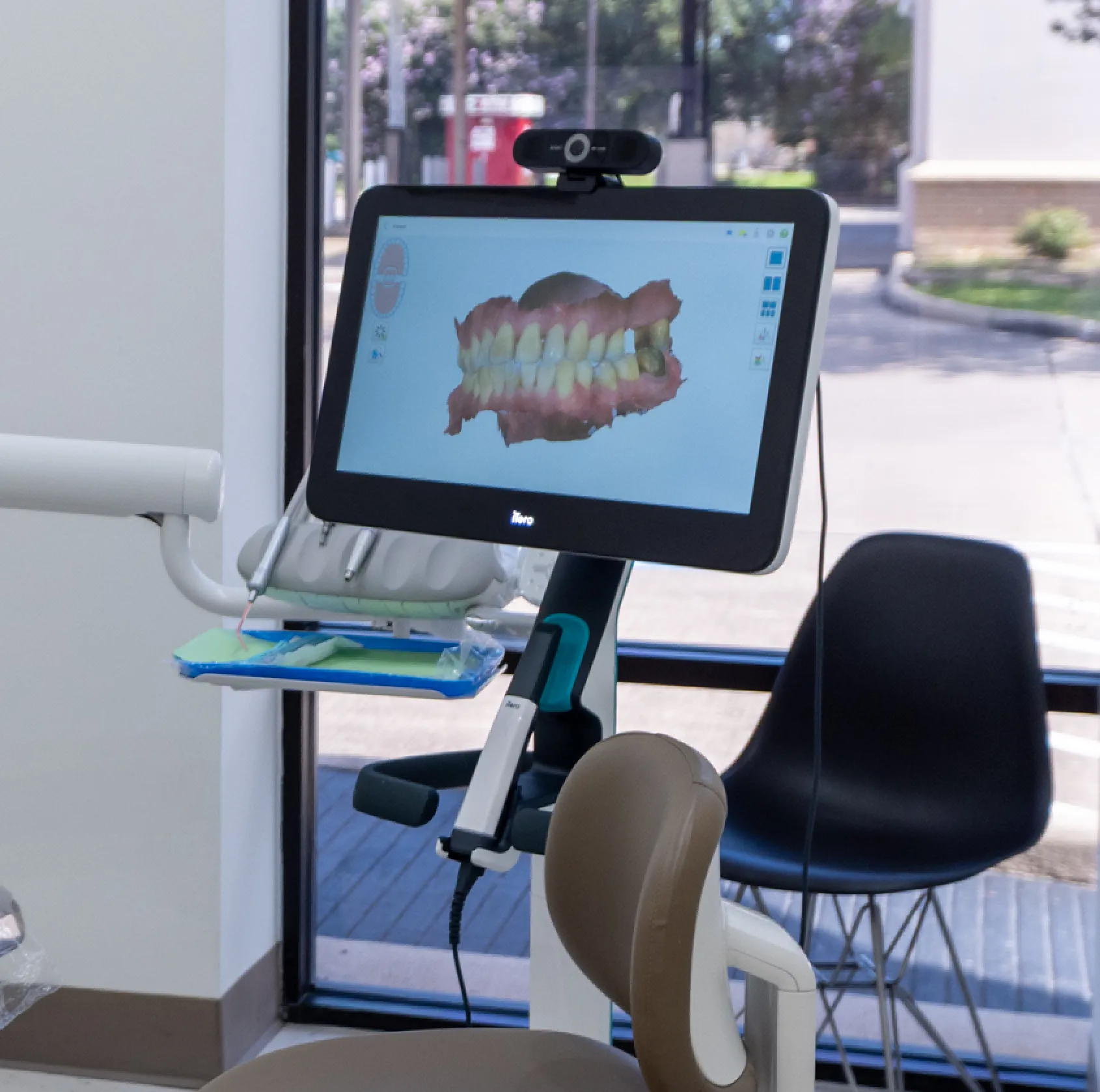
Before Invisalign treatment begins, your teeth need to be mapped precisely so your aligners fit correctly and move your teeth in the right sequence. Nest Dental uses the iTero digital scanner to capture a full 3D model of your teeth in minutes. Here is what that means for you:
- No impression trays filled with thick material
- No gagging, no mess, no discomfort
- A precise 3D scan completed in minutes
- An immediate simulation of your projected outcome so you can see where your smile is headed before committing to treatment
That preview is not a guarantee, but it gives you a realistic picture of your expected results before any decisions are made.

Meet Dr. Jenny Jeong & Dr. Justin Kang
A Family Team
of Experts
Wearing Your Aligners Consistently Is What Makes It Work
Invisalign works when the aligners are worn. The math is simple:
- Wear your aligners 20 to 22 hours per day
- Remove them only to eat, drink anything other than water, and brush your teeth
- Put them back in as soon as you are done
Wearing them less than the recommended time slows your progress, extends your timeline, and can cause later aligners to fit poorly. Patients who stay consistent finish on time. Patients who frequently leave them out do not. Dr. Jeong discusses this honestly at your consultation so you can decide whether the commitment fits your lifestyle before treatment begins.

What Happens After Your Last Aligner
Finishing your last aligner is not the finish line. Teeth shift naturally over time, and without a retainer, the results you worked for can reverse gradually. Here is what retention looks like after Invisalign:
- A custom retainer is fitted once your final aligner set is complete
- Your retainer schedule is reviewed before treatment ends so there are no surprises
- Consistent retainer wear is what protects your outcome long term
Dr. Jeong walks you through your full retention plan before your treatment concludes so you know exactly what to expect and how to keep your results in place.

What sets nest dental apart

You’re Safe Here

Local Team, Local Care

Higher Standards

A Better Experience
Frequently Asked Questions
Is Invisalign covered by insurance?
Some dental and orthodontic insurance plans include partial coverage for Invisalign. Coverage varies by plan. Our front desk team can help you review your benefits before your consultation. CareCredit financing and our in-house membership plan are also available for patients who need flexibility on cost.
Do I need a retainer after Invisalign?
Yes. Teeth shift naturally over time, and a retainer is what keeps your results in place after treatment ends. Dr. Jeong reviews your retention plan before your final aligner so you know exactly what is expected and how to protect your outcome.
What happens if I lose or damage an aligner?
Contact us as soon as possible. Depending on where you are in your treatment, we may recommend moving to your next set early or ordering a replacement. Going without an aligner for too long can allow your teeth to shift, which affects how the following sets fit.
What are Invisalign attachments and will I need them?
Attachments are small tooth-colored dots bonded to specific teeth to give the aligners better leverage for certain movements. Not every case requires them. Dr. Jeong will let you know at your consultation whether attachments are part of your treatment plan and what they will look like.
Can I drink coffee or tea with my aligners in?
No. Hot liquids can warp the plastic and affect how the aligners fit. Anything other than water should be consumed with the aligners out. Rinse your mouth before putting them back in to avoid trapping sugar or staining agents against your teeth.
Will Invisalign affect how I speak?
Some patients notice a slight adjustment period during the first few days of wearing aligners. Most people adapt quickly and speak normally within a short time. The adjustment is temporary and typically shorter than the speech changes that come with traditional braces.
How often do I need to wear my aligners?
20 to 22 hours per day. You remove them to eat, drink anything other than water, and brush your teeth. Wearing them less than that extends your treatment timeline and can affect how well each aligner fits as you progress.
Does Invisalign hurt?
Most patients experience some pressure when switching to a new set of aligners, which typically resolves within a day or two. This is a sign the aligners are working. It is different from the ongoing soreness and gum irritation that brackets and wires can cause because the aligners are smooth and do not have hardware rubbing against the inside of your mouth.
How long does Invisalign treatment take?
Treatment length varies based on how much movement is needed. Mild cases can be completed in six to twelve months. More complex alignment issues may take eighteen months or longer. Dr. Jeong gives you a projected timeline at your consultation based on your specific case.
Am I a good candidate for Invisalign?
Invisalign works well for mild to moderate alignment issues in adults and teens. Severe bite problems or complex cases may require a different orthodontic approach. Dr. Jeong evaluates your teeth at your consultation and gives you a direct answer about whether aligners can achieve the result you are looking for.
Located next to Starbucks and across the street from Kroger.
Visit nest dental in Houston’s Energy Corridor
We’re located near the heart of the Energy Corridor, next to Starbucks and across the street from Kroger, with free parking and Saturday appointments available. New patients and families welcome.